
The Steel Stalemate: Why Recycled Mattress Springs are Ending Up in Landfill
For years, the steel spring was the “success story” of mattress recycling, a clear example of the circular economy in action. But recently, the gears of that system have begun to grind to a halt. Across Australia, from Queensland to South Australia, high-quality steel that was once a valuable commodity is being turned away by traders and ending up in stockpiles or, worse, landfill.
At the Australian Bedding Stewardship Council (ABSC), we know this isn’t just a recycler’s problem; it’s an industry-wide crisis that threatens the viability of the stewardship model our member manufacturers and retailers have worked so hard to build.
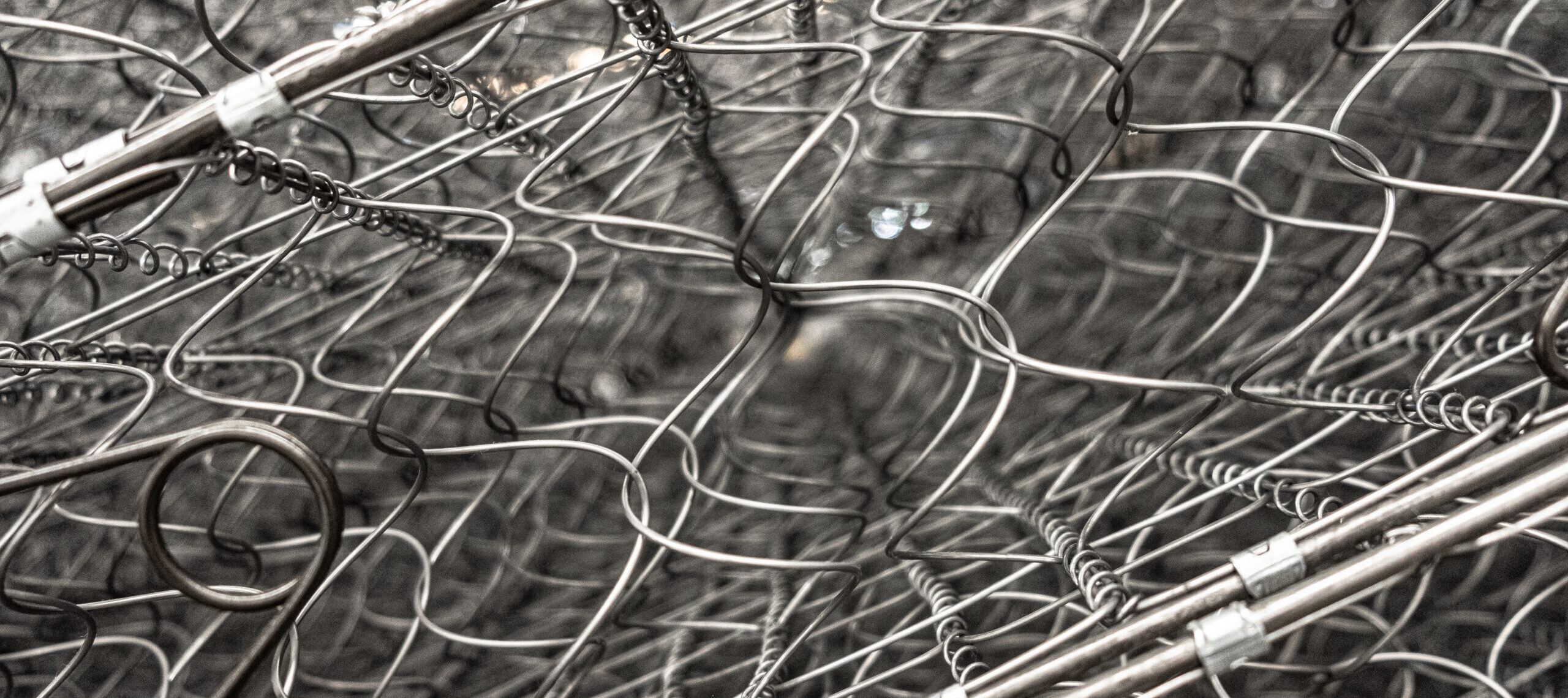
The Global and Domestic Squeeze
The reality is that our domestic scrap market is being buffeted by international winds. While it feels counterintuitive to sell recovered steel overseas or to see 58 tonnes of mattress steel sent to landfill in South Australia while Australia continues to import steel, the issue lies in market dynamics and material purity.
- The Billet Bottleneck: Domestic scrap prices in Australia are heavily influenced by the global price of steel billets (semi-finished steel). Currently, an oversupply of cheap Chinese steel is flooding the global market, keeping billet prices low. For local processors, it can sometimes be more cost-effective to import new steel or high-grade scrap than to process complex, “dirty” scrap like mattress springs.
- The Import Paradox: In 2024, Australia imported approximately $1.79 billion USD in iron and steel, yet premium high-tensile mattress steel is currently ending up in landfill. The issue isn’t the steel’s integrity; it’s a misalignment of expectations. Steel producers need a “furnace-ready” product, but mattress springs from mattress recyclers arrive in a bailed format that often includes floc contamination. We aren’t lacking a market for the steel; we are lacking the processing and machinery to turn high-tensile coils into the clean feedstock that domestic manufacturers require.
Why is Mattress Steel Suddenly “Hard”?
The challenge isn’t the steel itself; it’s the way it’s packaged.
- Refusing “good” steel: As recently as a year ago, clean, baled Bonnell springs were commonly accepted recycling; easy to process and high in demand. However, we are now seeing steel traders refuse even this “clean” product. This shift suggests that the barriers aren’t just technical; traders are becoming increasingly risk-averse, leaving mattress recyclers with high-quality material that has nowhere to go but a stockpile or landfill.
- Contamination & Floc: Traditional Bonnell springs are relatively easy to shred. However, the rise of pocket springs – where each coil is encased in polypropylene fabric – has created a floc (textile residue) problem. If this fabric isn’t perfectly removed, it contaminates the melt, making it unusable for high-quality Australian steel production.
- Processing Costs: As landfill levies rise and global scrap prices fluctuate, the margin for recyclers is thinning. When a trader refuses a load due to fabric contamination, the mattress recyclers face a double hit: the loss of sale revenue and a massive landfill bill (recently cited at roughly $0.45/kg or $450/tonne).
- Equipment Gap: Much of our current mattress recycling infrastructure wasn’t designed for the sheer volume of pocket springs now entering the waste stream. We need modernised shredders and separation technology for mattress recyclers that can “clean” the steel to the standards our domestic mills require.
ABSC’s Plan: Connecting the Dots
We aren’t just watching the stockpiles grow. The ABSC is taking direct action to clear the blockage in the value chain:
- Engaging the Giants: Our CEO, Kylie Roberts-Frost, is in active discussions across the industry, with traders, processers, and producers, to define the exact technical specifications needed for mattress steel to flow back into their furnaces.
- Regional Recycling Hubs: We are lobbying state governments to invest in modernised recycling hubs. These facilities will feature the right equipment to process complex coils into a furnace-ready product.
- Innovation & Data: Our Director of Innovation is working with our Approved Recycler Network to gather the hard data on “floc” ratios and processing costs. This data is essential for de-risking the market for steel traders.
What This Means for Our Members
For manufacturers, the message is clear: the era of “design for comfort” must now include “design for disassembly.” Reducing the use of glues and non-recyclable pocket casings will directly impact whether the product you sell today can be recycled tomorrow.
For retailers, your participation in the ABSC scheme is more vital than ever. By implementing take back processes and adhering to “Approved Recycler” standards, we create the scale necessary to negotiate better terms with steel traders and advocate for government support.
The path to a truly circular bedding industry depends on solving this steel stalemate. We have the material and the will; now, we are building the infrastructure to ensure every spring we recover finds its way back into an Australian furnace.
Related Articles

18/03/2026
The transition to a circular economy is a structural shift in how our nation manages...

17/02/2026
The Australian Bedding Stewardship Council (ABSC) provided a joint submission to...

09/06/2025
We’re excited to announce a major leap forward for the Australian Bedding Stewardship...